The Dubai property market rewards those who do their homework. Locations shift in and out of favor, master plans evolve, and developer reputations matter as much as floor plans. Sobha Sanctuary Villas at Dubailand have been getting attention for a mix of reasons: a strong brand known for finish quality, a low-rise, villa-focused community at a time when mid-rise apartments dominate new launches, and a location that straddles established urban districts and future growth corridors.
I spent several visits walking comparable villa communities across Dubailand and the wider city, speaking with residents, brokers who work the area daily, and contractors who have delivered for the major developers. What follows is a practical read for anyone weighing Sobha Sanctuary Villas or the broader Sobha Sanctuary Townhouse and Villas offering against alternatives in and around Dubailand.
Where Dubailand Sits in the Big Picture
Dubailand is not a single neighborhood but a large umbrella that covers multiple sub-communities west and south of Dubai’s historic core. From a driver’s perspective, the area orbits around three arteries: Sheikh Mohammed Bin Zayed Road, Emirates Road, and Al Ain Road. The benefit shows up in drive times. Weekday mornings, residents report 25 to 35 minutes to DIFC or Downtown, 20 to 25 minutes to Business Bay, and roughly 30 minutes to Dubai Marina if you leave before the heaviest school traffic. Dubai International Airport tends to clock at 25 to 30 minutes. Al Maktoum International is longer now, though several residents in neighboring projects already use it for regional flights when possible.
The trade-off is that Dubailand is still patchwork. Some clusters have mature landscaping, active retail, and stable school runs. Others feel mid-build. Any buyer should visit at different times of day. A site that feels tranquil at 11 a.m. may reveal evening traffic noise from a nearby link road or weekend crowding if the closest retail becomes a regional magnet.
What Sobha Is Known For
Sobha as a brand draws buyers who obsess over detail. The company’s long-running reputation in Dubai rests on consistent fit and finish: thicker internal doors than the market norm, aligned grout lines, and tighter tolerances on carpentry. Those details seem small on a fee schedule, yet they shape daily experience. You feel it every time a door shuts flush without a rattle or a cabinet hinge doesn’t sag within six months.
Over the years I have inspected handovers across several Sobha communities. The snag lists exist, as they do everywhere, but the items tend to be minor and addressed within reasonable timelines. It is not a guarantee of perfection, and contractors vary, but buyers often pay a premium to avoid the sorts of compromises that show after the first summer.
The Concept Behind Sobha Sanctuary Villas
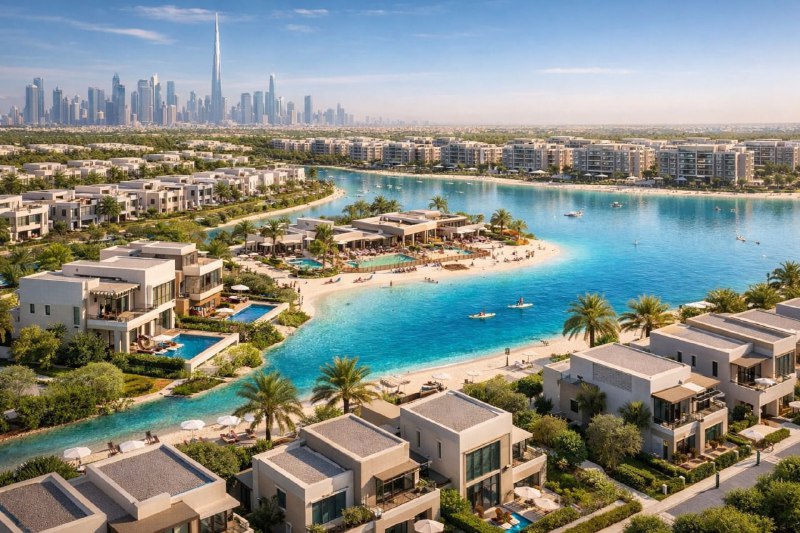
Sobha Sanctuary Villas aims for a low-density, green-forward environment within Dubailand. The word sanctuary sets an expectation, and the plan does try to deliver with layered landscaping, wider internal roads, and setbacks that give each home breathing room. At a glance, the master plan favors villas first, with townhouses positioned to maintain community coherence rather than as an afterthought to hit price points. The result is a neighborhood that reads as one place, not a collage of product types.
From the early layouts and show units shared with brokers, the villa typologies sit in the sweet spot for families upgrading from a townhouse or apartment: three, four, and five bedroom configurations, generous family areas, and functional outdoor zones that can be used most of the year with shade and misting. Plot sizes, which often get glossed over in brochures, matter more than marketing language. While exact numbers vary by cluster, you are typically looking at plots that allow a proper garden rather than merely perimeter planting. Several elevate the living areas to pull more natural light across the day, a design choice that pays off in winter when Dubai is at its best.
Architecture and Interior Flow
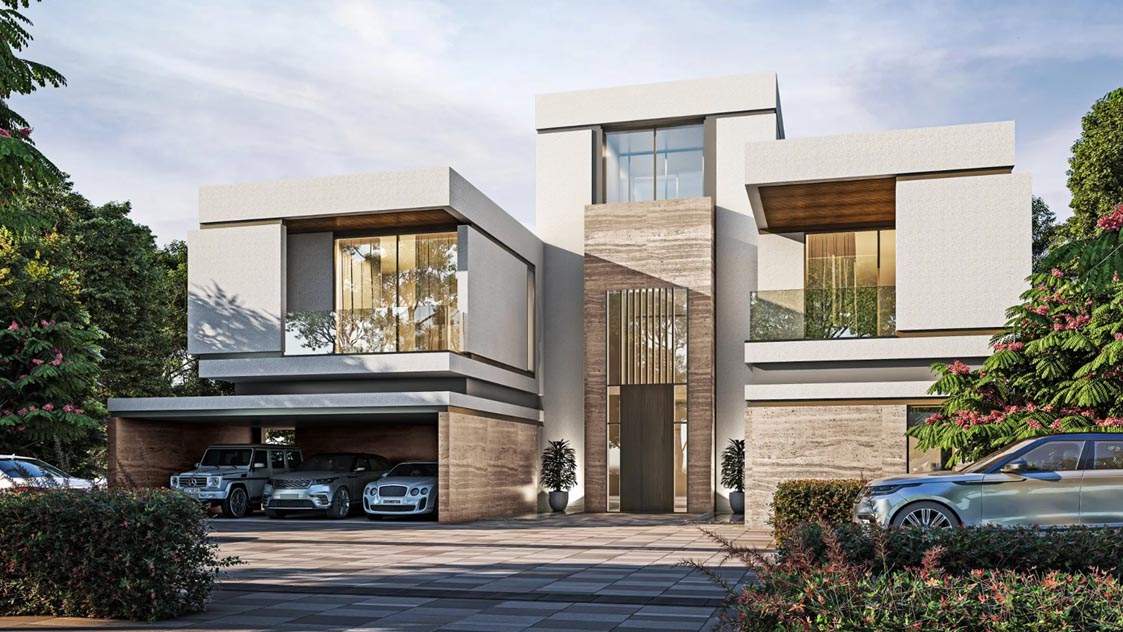
UAE villa architecture has been drifting toward cleaner lines and toned-down palettes for a decade. Sobha’s take is a calibrated minimalism. Facades avoid heavy ornament, relying on proportion and texture rather than gratuitous detail. That helps the villas age well. Projects that chase loud trends often look dated within a few years; sober architecture supplemented by considered lighting and greenery tends to last.
Inside, the layouts do a few things right that are easy to confirm during a site visit. Circulation is simple, with clear sightlines from entry to the main living space. Kitchen design tends toward semi-open concepts, a compromise that pleases both those who cook and those who entertain. Many homes in this segment default to island kitchens; Sobha’s versions usually give you enough clearance to move around even when stools are occupied and cabinet doors are open. That functional spacing is something you only appreciate when you live with it.
High-traffic flooring in porcelain or high-density stone composite outlasts wood in Dubai’s climate. If you want timber warmth, consider engineered planks in bedrooms. The joinery standards at Sobha Sanctuary Villas appear consistent with the brand’s better work: mitered corners that line up, shadow gap detailing in some models, and storage that makes sense instead of the endless shallow cupboards that collect odds and ends.
Outdoor Space That Works
Dubai sells a lifestyle that is grounded in outdoor living for at least six months of the year. The difference between a good villa and an average one often comes down to how the outdoor rooms function. The better-designed plots at Sobha Sanctuary Villas allow three distinct zones without crowding: a shaded seating area close to the living room, a dining space prepped for a barbecue or outdoor kitchen run, and a lawn or play area that can take a small pool or water feature.
Orientation counts. Western exposures ask more of your shading plan from May to September. Eastern or northern gardens usually deliver softer light for morning coffee and late afternoon playtime. It is worth standing on a plot near sunset to see where shadows fall. Those small observations influence comfort far more than brochure photography.
Amenity Package and Community Life
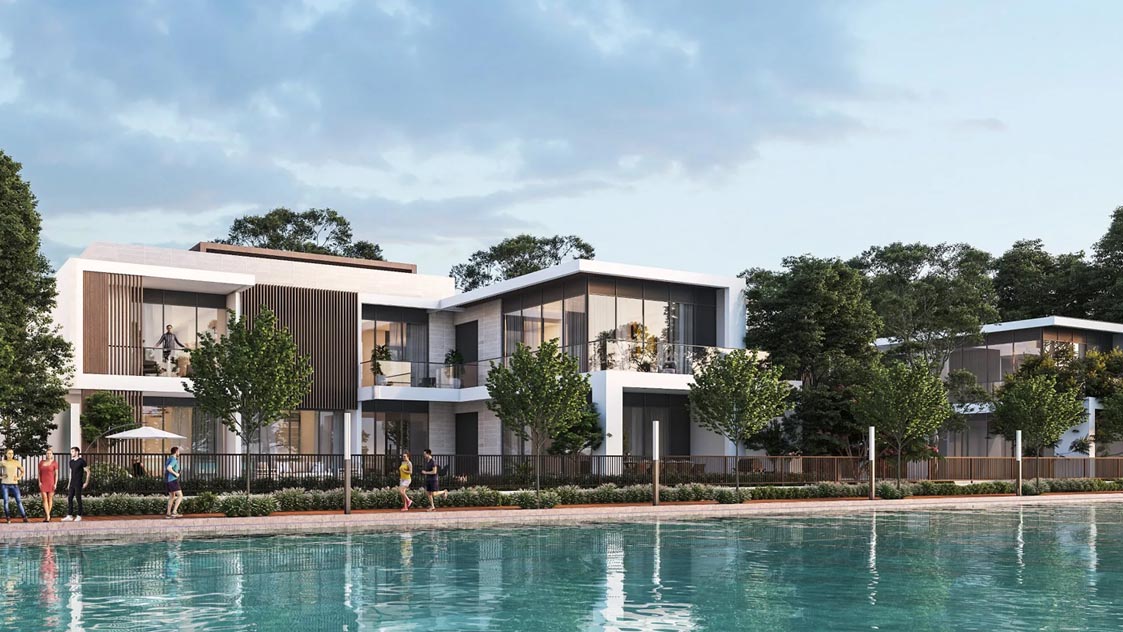
Villas rise or fall on the strength of their communities. Sobha Sanctuary Townhouse and Villas appears to aim for a balanced amenity mix rather than a resort’s worth of features that push service charges into the stratosphere. Expect a clubhouse with a gym that meets everyday needs, family and lap pools separated by use, landscaped jogging paths, children’s play areas, and padel or tennis courts if the final plan stays aligned with current trends. The landscaping budget reads as generous on paper, and that is money well spent. Mature trees and layered groundcover slow the microclimate and lower the perceived temperature along internal streets.
Service charges in villa communities vary widely. A range in the ballpark of 3 to 6 AED per square foot of built-up area is common in Dubai for communities that prioritize landscaping and security without overloading on staff-heavy facilities. The number depends on irrigation methods, pool counts, and clubhouse staffing hours. Sobha is generally disciplined here, but buyers should request a pro forma for service charges per unit type and run a five-year cost scenario to avoid surprises.
Connectivity and Daily Convenience
Forget glossy maps for a moment and think like a resident. Most family routines revolve around four anchors: the school run, grocery access, weekend sport or music lessons, and hospital or urgent care reach.
Several good schools sit within a 10 to 20 minute radius of Dubailand clusters: English and IB curricula, a mix of fee bands, and waiting list dynamics that ebb and flow. If your child needs a particular program or has special educational needs, call admissions early. New communities often create demand spikes.
Retail tends to trail handovers by 6 to 18 months. That means your early weeks may involve a drive to established shopping centers. This is not unique to Sobha Sanctuary Villas at Dubailand, and it improves as ground-floor retail fills and local supermarkets launch. For medical, most residents rely on clinics within 10 to 15 minutes, with full hospitals a bit farther. Keep emergency response times in mind if an elderly family member will live with you.
Ride-hailing coverage is strong, and grocery delivery is reliable across Dubailand. The everyday rhythm is manageable if you accept a few extra minutes on some errands compared to living in the heart of Downtown.
Build Quality and Longevity
Dubai’s climate tests buildings. High UV, dust, aggressive groundwater chemistry in some zones, and thermal expansion show how well a home was engineered. Sobha’s better developments address these with careful waterproofing, attention to sealants around windows and doors, and robust MEP systems. These are not bullet points to breeze past. A small compromise during construction can turn into recurring maintenance. On past projects, I have seen Sobha use higher spec door hardware and weather seals, which reduces rattling under wind load. Over time, those choices pay dividends.
Air conditioning is the backbone of comfort. Look for zoned cooling that allows you to dial back unused rooms. Duct insulation and proper commissioning reduce whistling and keep temperatures stable. Ask to see the handover testing documentation. If you are buying off-plan, push for specifics on condenser brands, static pressure tolerances, and maintenance access. In my experience, Sobha provides documentation that is more complete than the market average, which simplifies warranty claims.
Sustainability, Beyond Buzzwords
Regulatory expectations in Dubai have ratcheted up on energy and water efficiency. Within that, developers differ in how deeply they integrate sustainability. Sobha tends to pursue pragmatic measures that actually reduce bills: low-E glazing, LED lighting with sensible placement, efficient pumps and fans, and irrigation controls that do not drown the landscaping. Several villas incorporate shading fins and recessed windows that limit gain without darkening rooms. Solar readiness is becoming common, and if final designs include provisions for rooftop PV or solar hot water, that is a quiet strength.
On the user side, the biggest wins are behavioral and maintenance driven. Clean filters every quarter, balance your AC once a year, move heavy heat loads like dryers to off-peak hours where possible, and plant shade trees on the west side of the plot. The villa will reward you with lower costs and a calmer indoor climate.
The Economics: Pricing, Payment, and Value
Sobha generally prices at a premium against mass-market villa clusters, justified by finish and brand equity. For similar built-up areas, you may see a 5 to 15 percent premium compared to some neighbors. Whether that is sensible depends on your horizon. If you plan to live in the home five years or more, the premium often amortizes into daily comfort and lower maintenance headaches. For investors chasing yield, the calculus is more nuanced. Villas rent on a thinner yield than townhouses or apartments in many cycles, but they hold value well and attract stable tenants.
Payment plans have shifted over the last two years, with developers balancing off-plan appetite and finance costs. Expect a structured plan with installments through construction and a final payment on handover. Mortgage buyers should check whether their bank has a direct developer tie-up for favorable valuation. The gap between selling price and bank valuation can force a higher down payment if not planned for.
Resale prospects hinge on two things: the neighborhood’s cohesion and the handover experience. Communities that deliver on time, landscape quickly, and activate their amenities capture resale momentum. Slow landscaping and delayed clubhouses cool sentiment. Sobha has delivered at scale before, yet external factors can push schedules. Build in a buffer.
How Sobha Sanctuary Villas Compare
Buyers considering Sobha Sanctuary Villas at Dubailand usually tour three or four other communities in parallel. Each has its edge. Some deliver larger plots but dial back finish. Others offer strong community retail from day one because a developer seeded it early. A few lean into resort-style amenities that delight initially but carry higher service charges.
Sobha’s angle is tighter execution and a calmer aesthetic. If you want loud, statement architecture, this is not it. If you value a neat street scene and consistent build quality, it will feel right. For families that expect to entertain regularly, the indoor-outdoor flow is a plus. For buyers who travel often, the controlled entry points and managed landscaping reduce worry.
Practical Visits and What to Check
A good site visit starts with small observations. Park where you expect guests to park and walk in the front door. Does the entry make sense or do you collide with a staircase? Stand in the kitchen with two other people and open all the major doors at once. See if the refrigerator, dishwasher, and oven can be used without blocking circulation. Carry a small level to check if long tile runs are true. Run your fingers along cabinet edges; clean joins usually predict deeper quality.
Bathrooms deserve extra attention. Look at the fall to drains, especially in showers, to avoid pooling. Inspect silicone lines for consistency, a tell that teams were supervised. If a sample villa is staged, open the wardrobes and check for ventilation. Poorly ventilated joinery acts like a humidity trap in summer.
Walk the streets. Note where utility boxes sit in relation to your preferred plot. Look for transformer locations, which can hum. If you hear nothing, check again during peak AC hours. Consider how the afternoon sun hits your preferred elevation, and ask to see the lighting plan for the streetscape. Good pole spacing reduces dark pockets without adding glare in bedroom windows.
The Townhouse Piece of the Puzzle
While the spotlight falls on villas, the Sobha Sanctuary Townhouse and Villas mix helps the community function across life stages. Townhouses typically draw younger families and couples, creating demand for playgrounds, nursery drop-offs, and after-school activity. Villas often anchor the association boards and long-term community planning since the owners are more likely to stay longer. That blend, when balanced, leads to lived-in streets sooner, which is exactly what buyers want to see when they come for second and third visits.
From a market perspective, townhouses often command stronger yields, which helps the community’s investor profile stay rational. It is healthier to have a mix of end users and investors rather than a block of purely speculative owners.
Risks and Edge Cases to Consider
Every project carries risk. Construction timelines can stretch if material supply tightens or approvals take longer than expected. Buyers who must coordinate school enrollments or lease endings should keep a buffer. Currency risk is another quiet factor for overseas buyers. AED is pegged to the USD, and while the peg is stable, your home currency may move. Lock in transfers sooner if your budget is tight.
Noise during early years is inevitable in growing areas. Even after your street is handed over, nearby clusters may still be building. If absolute quiet is non-negotiable, steer toward plots deeper into completed sections or accept that you will wait a bit longer for the neighborhood to mature before moving in.
Finally, post-handover service depends on the quality of the facilities management partner. Sobha has worked with reputable FM teams, but it is worth meeting the manager if possible, understanding response SLAs, and reviewing the community rules, especially around renovations, pergolas, and pool installation approvals.
Who This Community Suits
Sobha Sanctuary Villas suits end users who want a consistent, calm neighborhood with solid build quality, enough green space for children, and proximity that keeps city access practical without living in the middle of the densest districts. It also works for multigenerational families who need a bedroom on the ground floor or space to adapt for aging parents, as several layouts can accommodate a guest suite without disrupting the main living areas.
Investors with a five to eight year horizon will find comfort in brand strength and the villa asset class’s tendency to hold value. Those chasing maximum annual yield may prefer townhouses within the same community or nearby, while still benefiting from Sobha’s execution.
A Short Checklist for Sensible Due Diligence
- Visit at two different times of day to judge traffic, light, and noise. Ask for a draft service charge budget by unit type and run a five-year cost estimate. Review AC specifications, warranties, and maintenance access points. Confirm school waitlists and commute times based on your actual route. Check orientation, plot size, and shading options for your preferred villa.
The Bigger Arc
Communities like Sobha Sanctuary Villas at Dubailand are part of a broader shift toward low and mid-rise living options that combine privacy with curated common spaces. Dubai’s growth story used to center on towers. Today, it balances vertical living with suburban neighborhoods that still feel connected. If your lifestyle points toward a garden, a quiet street, and a home you can personalize over time, this development deserves a careful walk-through.
For buyers with a clear sense of routine, a realistic handle on service costs, and a preference for measured design over flashy novelty, Sobha Sanctuary Features of luxury villas in Dubai Villas make a strong case. The specifics will come down to the plot you choose and the small details you confirm before you sign. Those details, much like a well-aligned door or a softly lit garden path, are the difference between a house that photographs well and a home that works day after day.